
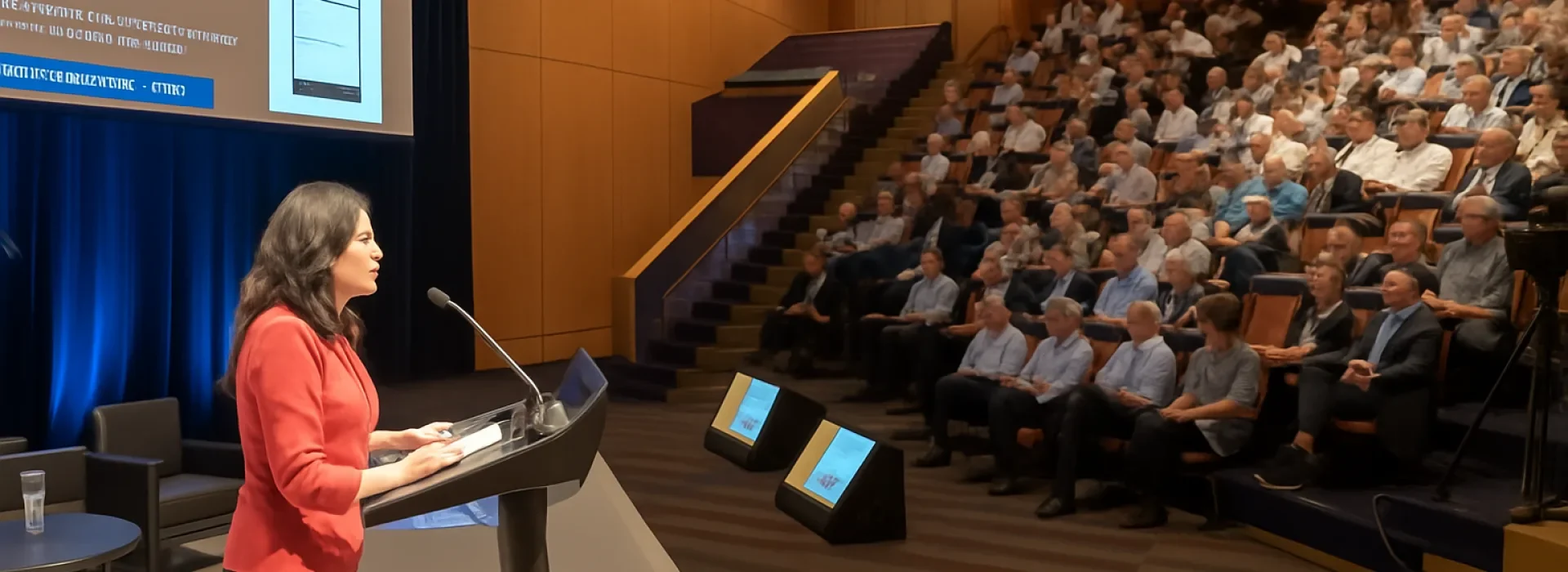
The Three Pillars of Exceptional Event Hosting
1. Keep the Energy Flowing
Your energy is contagious. When I’m genuinely excited about the event, that enthusiasm becomes infectious. My goal is to make the audience feel attentive and responsive, starting with my own genuine investment.
2. Handle Technical Failures Like a Pro
In live events, technical glitches are inevitable. Microphones cut out, lighting acts up, or slides refuse to load. The true mark of a professional Event Host is how gracefully you navigate these hiccups. My advice? Be relatable. Acknowledge the issue with warmth and humor. A simple, ‘Sorry about the lighting,’ or ‘Bear with us while we sort the audio,’ puts everyone at ease. Sometimes, these moments create opportunities for impromptu Q&A or brief, engaging interaction. Staying calm and composed sets the tone.
3. Keep the Event on Track– No Matter What a Pro
This is, in my opinion, the most crucial skill for any Event Host: time management. It’s my job to manage the flow, adhere to the schedule, and adjust seamlessly when things shift. Whether a speaker runs long or a panel wraps early, I pivot without making it awkward. I think of myself as the conductor of an orchestra, ensuring everything stays in harmony behind the scenes. This might involve subtle signals with organizers or diplomatic redirection.

Being an effective Event Host isn’t just about speaking clearly or looking confident. It’s about owning the room, reading the vibe, and steering the event with energy, adaptability, and professionalism. So, next time you’re behind the mic, remember these three principles: bring the energy, stay cool under pressure, and keep the show running smoothly. You’ve got this.
Every event is a new stage, a fresh chance to connect with people, celebrate ideas, and guide the audience through a shared experience. Over time, I’ve realized that no two crowds are alike. Each room requires its rhythm, and a great host is someone who can adjust tone, pace, and style to fit that dynamic.
Another often-overlooked aspect of hosting is preparation. Behind every smooth performance lies hours of script familiarization, name pronunciations, and cue coordination. Even with spontaneity, there’s structure. I treat every event—no matter the size or type—with the same professional discipline, knowing that preparation creates the freedom to be present and adaptable in the moment.
Conclusion
Being an effective Event Host isn’t just about speaking clearly or looking confident. It’s about owning the room, reading the vibe, and steering the event with energy, adaptability, and professionalism. So, next time you’re behind the mic, remember these three principles: bring the energy, stay cool under pressure, and keep the show running smoothly. You’ve got this.
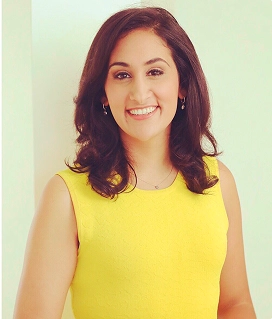
Delirani
Del Irani is an award-winning journalist, TV presenter, and dynamic event host known for her engaging presence and exceptional storytelling skills. With a career spanning over two decades, Del has hosted and moderated high-profile events for international media outlets, corporate clients, and global organizations, including the UN. As a former ABC News anchor and BBC World News correspondent, she brings a wealth of experience in delivering compelling narratives, facilitating insightful discussions, and connecting with diverse audiences. Del’s ability to navigate complex topics with clarity and poise makes her the ideal choice for events ranging from corporate conferences and industry panels to gala dinners and award ceremonies.
